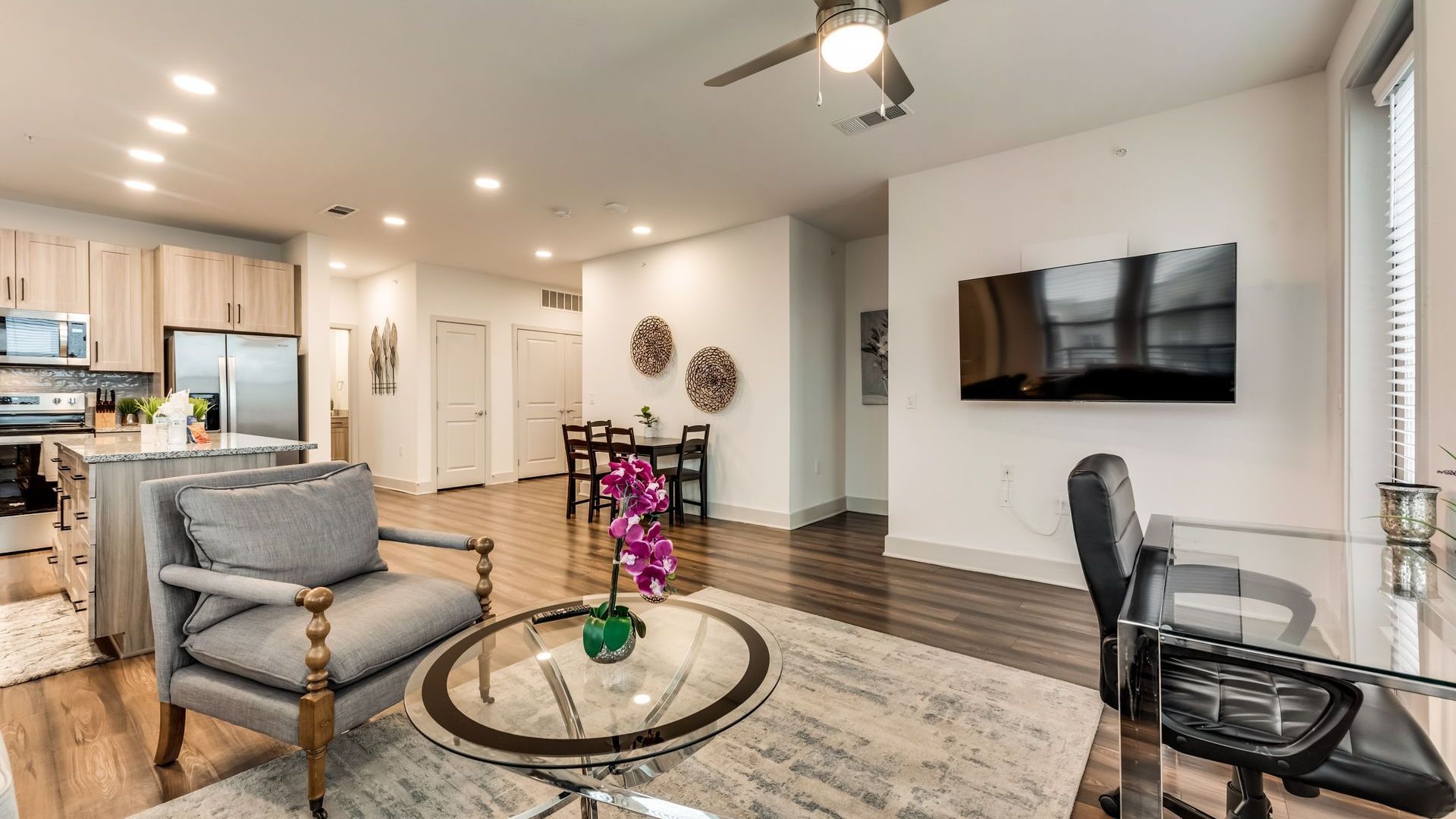
How to Choose Medical Temporary Housing in Dallas
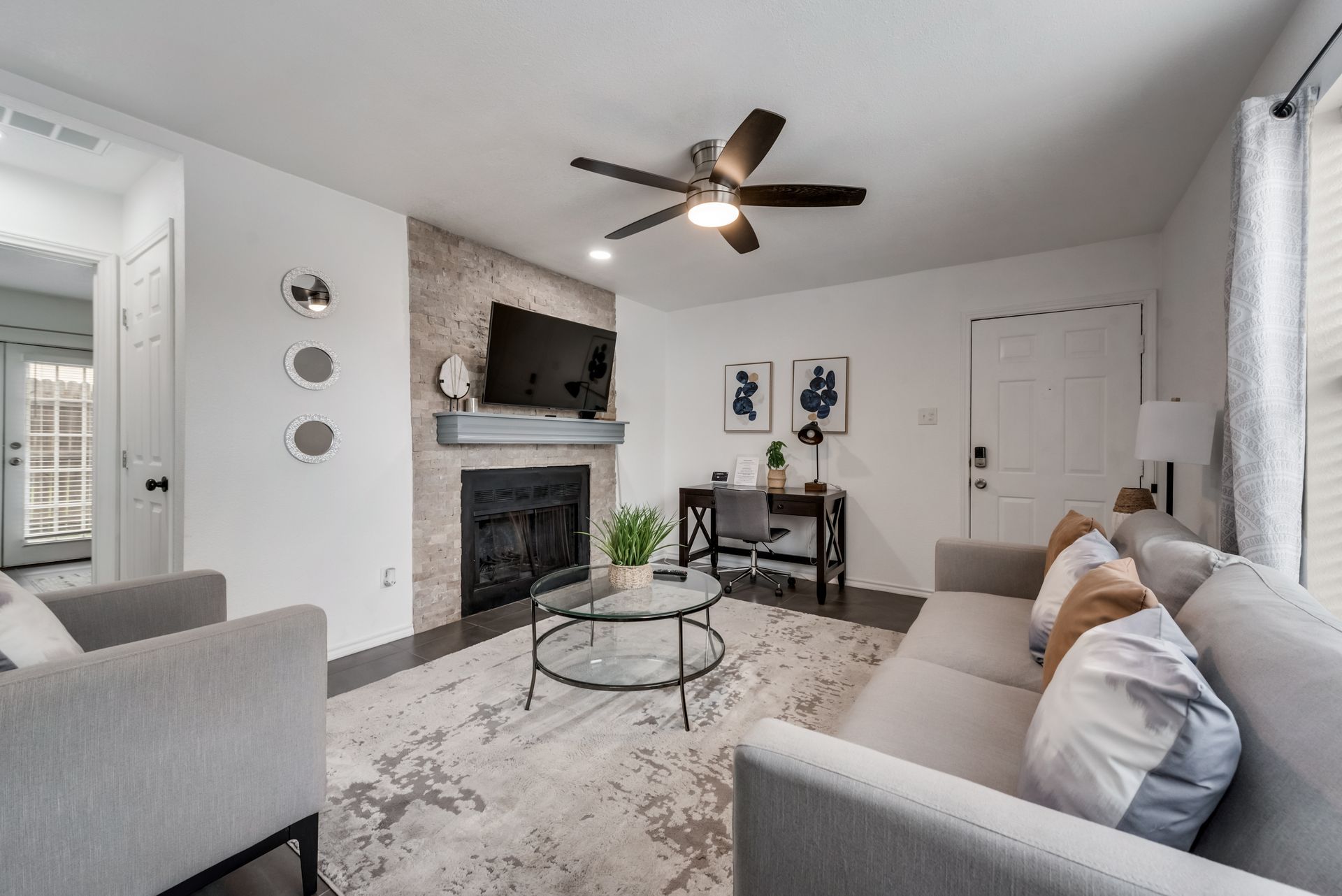
Medical temporary housing in Dallas gives patients and families a comfortable, furnished place to stay during treatment, recovery, or extended appointments. The best options include a full kitchen, laundry, WiFi, utilities, privacy, parking, and a flexible 30-day-or-longer arrangement near the medical facilities you need.
Why choose temporary housing instead of a hotel?
Medical care often requires more time than a standard hotel stay can comfortably support. Patients may need several appointments, procedures, rehabilitation visits, or follow-up care. Family members and caregivers may also need a dependable home base for weeks or months.
A furnished apartment can provide:
- More space for patients, caregivers, and visiting family
- A private bedroom and living area for rest and recovery
- A kitchen for preparing familiar meals and following dietary needs
- Laundry facilities for convenience during a longer stay
- WiFi, utilities, furniture, and household essentials in one arrangement
Hotels can be useful for a short emergency visit, but they may become expensive and restrictive over time. A furnished home offers greater privacy and a more normal daily routine.
What should medical temporary housing in Dallas include?
The right accommodation should make treatment logistics easier rather than add new stress. Before booking, confirm that the property includes the features that matter most for the patient’s condition and schedule.
Fully equipped kitchen
A kitchen allows patients and caregivers to prepare meals at home, store medication-sensitive foods, and maintain familiar routines. Look for a refrigerator, range or cooktop, microwave, cookware, dishes, and basic utensils.
Laundry access
In-unit or convenient on-site laundry is especially valuable for patients recovering from treatment. It reduces errands and makes it easier to manage clothing, bedding, and towels during an extended stay.
Reliable internet and utilities
WiFi supports telehealth appointments, communication with relatives, remote work, entertainment, and access to medical information. Ask whether electricity, water, heating, air conditioning, and internet are included in the monthly arrangement.
Comfortable, accessible living space
A patient may need extra room to rest, use mobility equipment, or accommodate a caregiver. Ask about elevators, stairs, parking, bathroom layout, walk-in showers, and the distance from the parking area to the entrance.
How close should housing be to Dallas medical facilities?
Location is one of the most important parts of planning medical travel. A property that looks affordable may be less practical if it creates long drives, difficult parking, or unpredictable travel times for every appointment.
Start by listing the hospitals, clinics, and specialists the patient will visit. Then compare properties based on:
- Typical driving time during appointment hours
- Access to major highways and public transportation
- Parking availability at the property and medical facility
- Nearby pharmacies, grocery stores, restaurants, and urgent care
- The patient’s ability to travel comfortably between locations
Dallas-Fort Worth is a large metro area, so “Dallas” can cover a wide range of neighborhoods. Review the exact address and ask the housing provider which locations best fit the treatment plan. The Locations page can help you begin comparing available areas.
Who benefits from furnished medical housing?
Medical temporary housing can support many types of guests, including:
- Patients traveling to Dallas for surgery, cancer care, rehabilitation, or specialist treatment
- Family members accompanying a patient from another city or state
- Caregivers who need a private, stable place near a loved one
- Travel nurses, medical residents, and visiting healthcare professionals
- Patients displaced from home while receiving treatment or recovering
A flexible furnished stay can also help when treatment dates change. Instead of coordinating separate hotel reservations, a family may be able to extend the arrangement and keep the same home base.
How can families prepare for an extended medical stay?
Good preparation helps families focus on care rather than avoidable housing problems. Before arrival, create a simple checklist.
1. Confirm the treatment timeline
Ask the medical team about expected appointment dates, recovery time, and possible changes. If the schedule is uncertain, prioritize a provider that can discuss extensions or adjusted dates.
2. Identify essential property features
Write down the patient’s needs before reviewing listings. These may include a ground-floor bedroom, elevator access, a walk-in shower, a quiet environment, a nearby pharmacy, or room for a caregiver.
3. Calculate the complete monthly cost
Compare more than the advertised rent. Ask about deposits, cleaning fees, parking, pet policies, taxes, and included utilities. Furnished housing with utilities included can make monthly budgeting easier.
4. Ask what is already supplied
Confirm whether the home includes linens, towels, cookware, cleaning supplies, furniture, and basic household items. Knowing what is provided prevents unnecessary packing and purchases.
5. Keep important contacts accessible
Save the property manager’s contact information, the treatment facility address, pharmacy details, emergency contacts, and transportation options in one place.
What questions should you ask before booking?
A short conversation with the housing provider can reveal whether a property is truly appropriate. Ask:
- Is the minimum stay 30 days, and can the stay be extended?
- Are utilities, WiFi, furnishings, and kitchen appliances included?
- Is laundry available in the unit or building?
- How far is the property from the patient’s medical facility at appointment time?
- Is parking included, and is the building accessible?
- What happens if treatment dates change?
- Who should we contact if maintenance or access issues arise?
You can also review the FAQ and Browse Listings pages for additional information and current options.
Privacy, comfort, and routine matter during recovery
Medical travel can be physically and emotionally demanding. A private furnished home gives patients and caregivers room to rest without the noise and limited space common in hotels. Separate sleeping and living areas can also allow one person to rest while another works, prepares meals, or manages appointments.
A stable routine may support recovery as well. Preparing meals, doing laundry, watching familiar programs, and maintaining a normal bedtime can make an unfamiliar city feel more manageable. For families, having a living room and kitchen creates space to spend time together without remaining in a single hotel room.
Choose a setting that matches the patient’s comfort level. Some guests prefer a quiet residential neighborhood, while others value being near restaurants, shopping, and public transportation. The best choice balances medical convenience with daily livability.
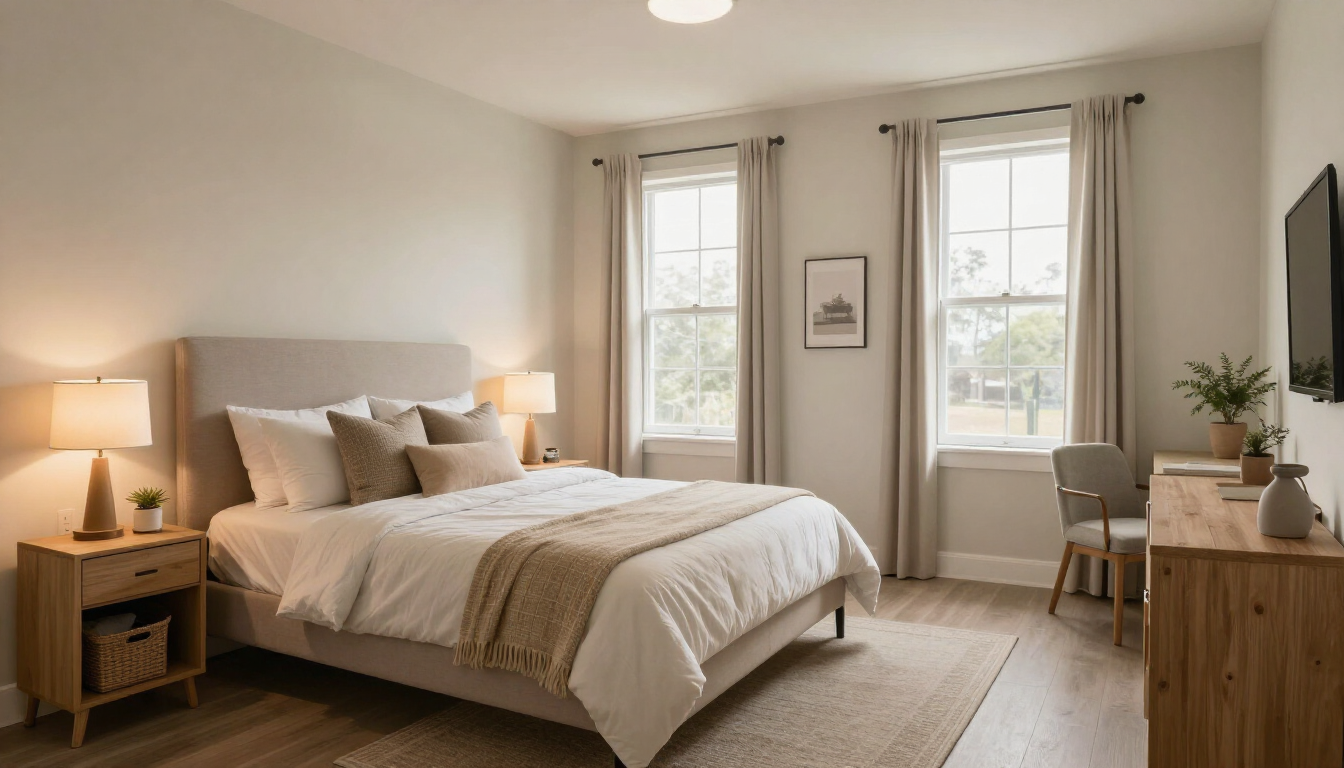
How does Nabro Furnished Housing help?
Nabro Furnished Housing provides move-in-ready corporate housing in the Dallas-Fort Worth area for stays of 30 days or longer. Homes include essential furnishings, kitchen appliances, WiFi, and utilities, helping patients and families settle in without the setup demands of a traditional lease.
The company has operated since 2008 and has hosted more than 5,000 stays. Its experience with extended housing can be useful for families managing treatment, relocation, or changing schedules. Learn more about Medical Treatment housing or Send Me Options based on your needs.
Frequently asked questions
How long can medical temporary housing last?
Many furnished housing arrangements begin at 30 days and can continue longer when availability allows. Confirm the minimum stay, extension process, and notice requirements before booking.
Is medical temporary housing cheaper than a hotel?
It can be more cost-effective for extended stays because guests receive a home-like space with a kitchen, laundry access, furniture, WiFi, and utilities. Compare the full monthly cost rather than only the nightly rate.
Can a caregiver stay with the patient?
Often, yes. Confirm the occupancy limit, bedroom arrangement, parking, and any guest policies with the housing provider before signing an agreement.
Can I find housing near a specific hospital?
Yes. Provide the hospital or clinic address when requesting options. The provider can help identify locations that reduce travel time and fit the patient’s practical needs.
Key takeaways
Medical temporary housing Dallas patients and families can rely on should combine proximity, comfort, flexibility, and practical amenities. Start by identifying the treatment location and expected stay length. Then compare furnished homes with kitchens, laundry, WiFi, utilities, parking, and suitable accessibility features. Ask what happens if treatment dates change, and calculate the complete monthly cost before deciding. For a more comfortable alternative to a hotel, review Browse Listings or Contact Nabro Furnished Housing to discuss the right DFW arrangement.