
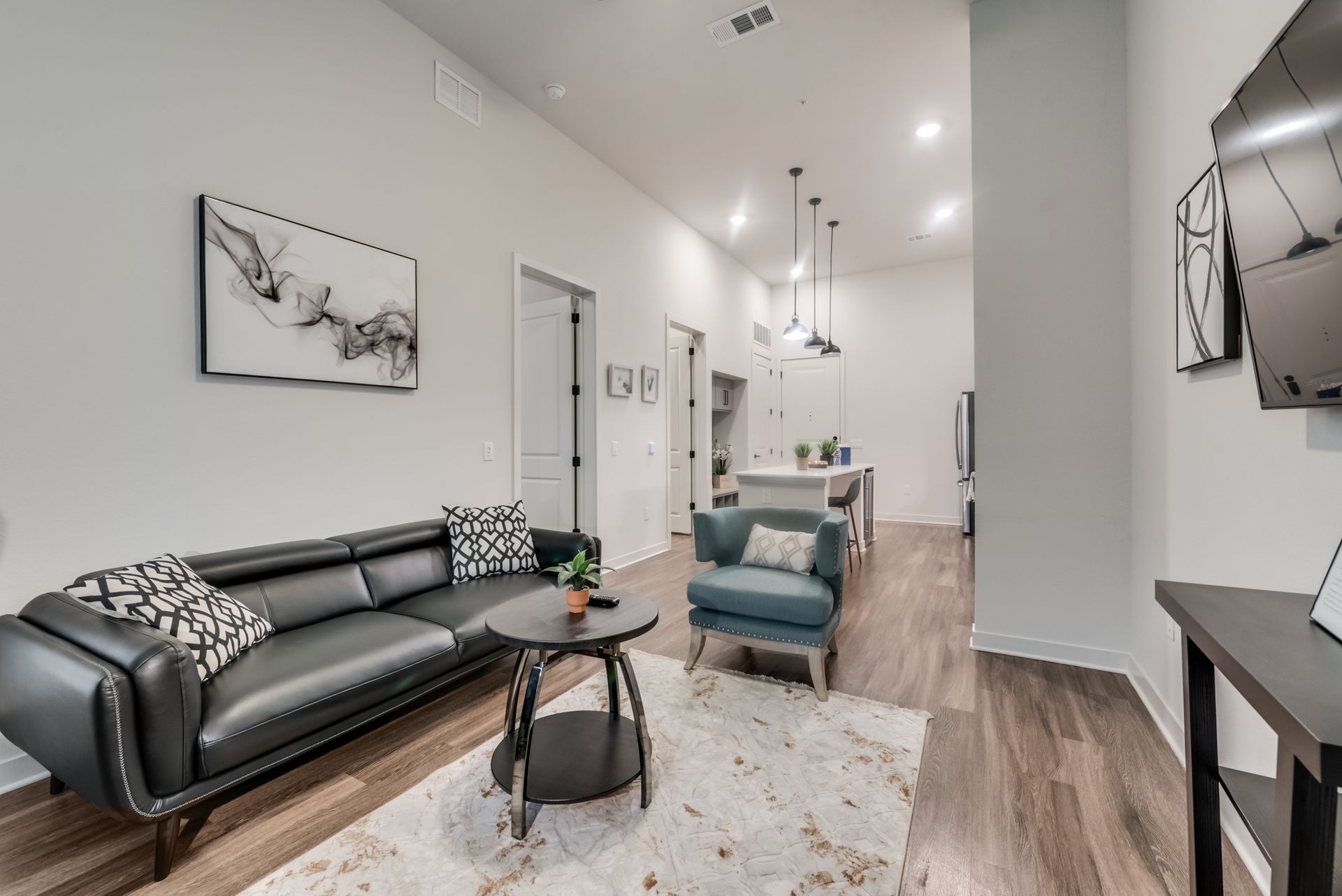
For people traveling for work, relocating to a new city, waiting for a permanent home, or temporarily displaced from their property, finding the right place to live can be challenging. A hotel may provide a convenient place to sleep, but an extended stay often requires something more.
Furnished housing provides a “home away from home” by combining the comfort, privacy, and functionality of a traditional home with the convenience of temporary accommodation.
Instead of simply providing a room, furnished housing gives residents a space where they can cook, work, relax, sleep, and maintain their everyday routines. This makes it particularly useful for corporate travelers, relocating employees, families, insurance-displacement clients, and others who need temporary housing for weeks or months.
What Makes Furnished Housing Feel Like Home?
A home-away-from-home experience is about more than having furniture in a property. It comes from creating an environment that supports the way people actually live.
A professionally prepared furnished home typically includes essential furniture, a functional kitchen, comfortable bedrooms, living and dining areas, household necessities, internet access, and other amenities appropriate for everyday living.
Unlike a traditional hotel room, furnished housing often provides separate spaces for sleeping, cooking, working, and relaxing. That separation can make an extended stay feel more natural and less temporary.
The objective is simple:
give residents a place where they can live comfortably, not merely stay.
Comfort That Supports Everyday Life
One of the biggest benefits of furnished housing is the ability to maintain familiar routines.
Residents can prepare meals in their own kitchen, enjoy coffee at a dining table, work from a designated workspace, relax on a sofa, and have a private bedroom at the end of the day.
These seemingly ordinary activities become important when someone is away from their permanent home for an extended period.
Comfortable furniture, quality bedding, appropriate lighting, sufficient storage, and practical household essentials can transform an otherwise temporary rental into a welcoming living environment.
For someone already dealing with relocation, business travel, or an unexpected housing disruption, having these essentials ready can remove unnecessary stress.
More Space and Privacy Than a Typical Hotel Room
The difference between furnished housing and a hotel becomes especially noticeable during longer stays.
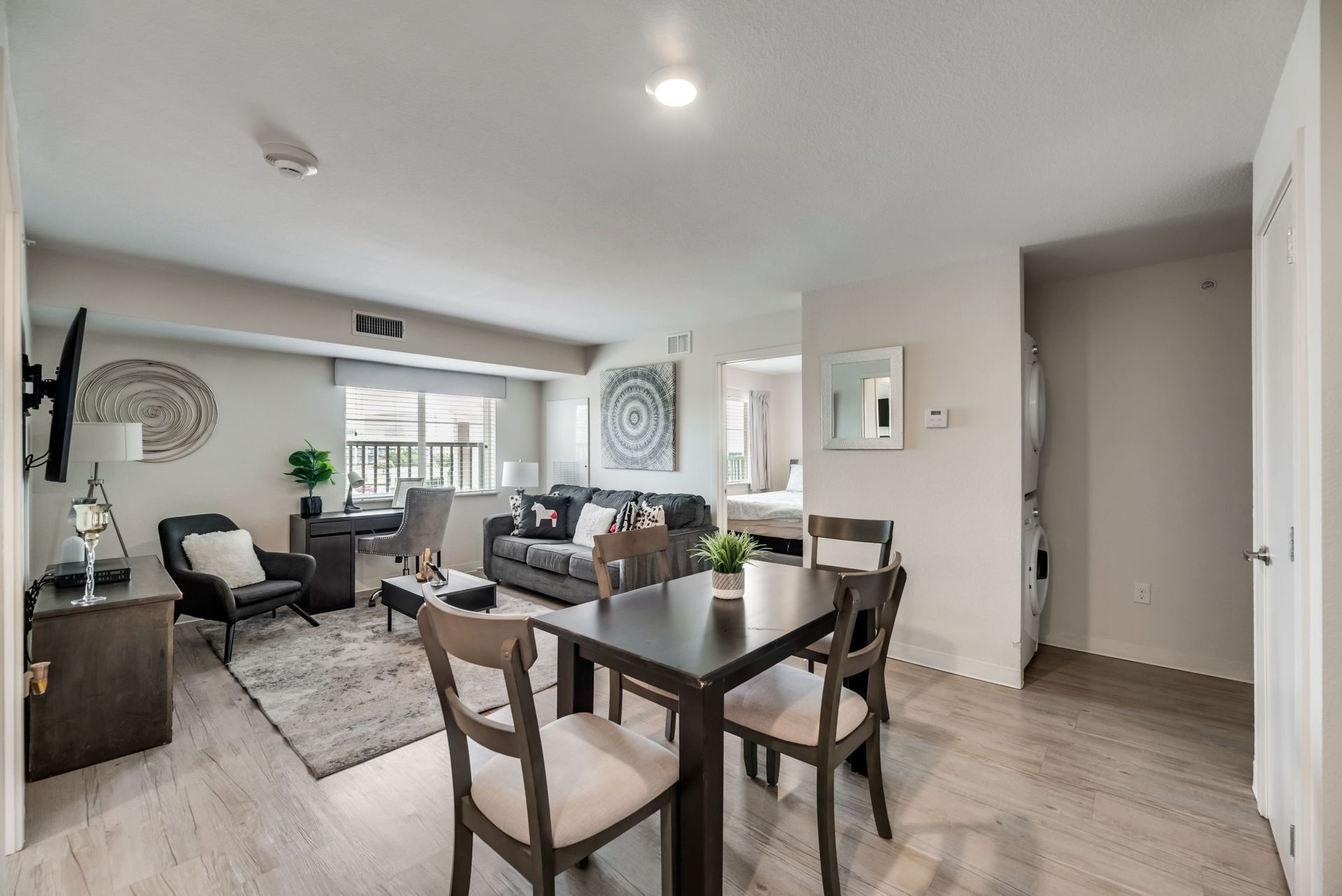
A furnished apartment or home may provide multiple bedrooms, a living room, kitchen, dining area, and sometimes outdoor space. This gives residents room to spread out and maintain a sense of personal space.
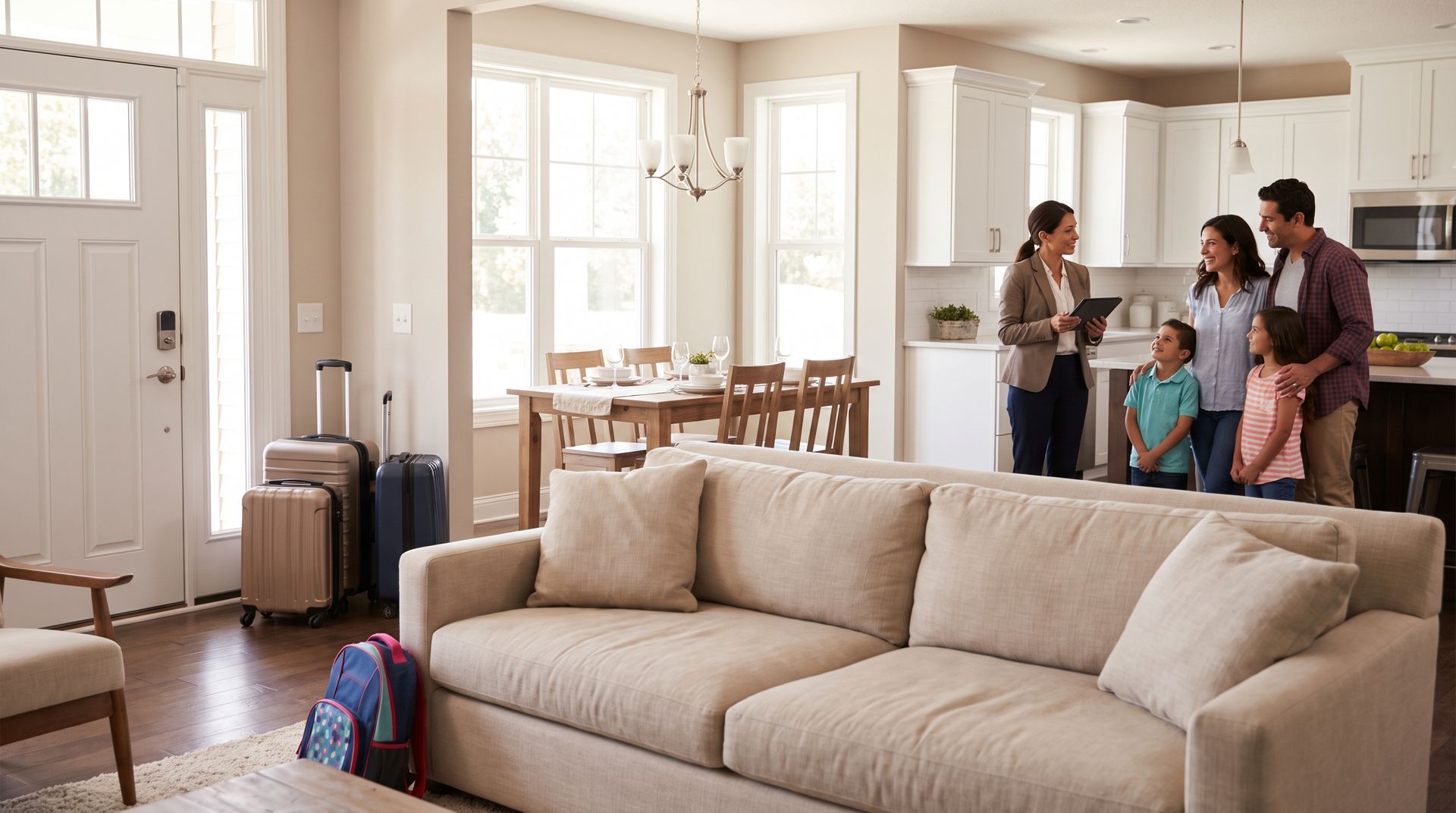
For families, separate bedrooms and living areas can make temporary accommodation much easier. Parents can maintain household routines while children have space to relax and play.
For business travelers, a dedicated workspace can provide a quiet environment for meetings or remote work without turning the bedroom into an office.
Privacy and personal space are important parts of making temporary housing feel like home.
A Functional Kitchen Makes a Difference
One of the simplest ways furnished housing creates a home-like experience is by providing a usable kitchen.
Eating every meal at restaurants can become expensive and inconvenient during an extended stay. A furnished home with a properly equipped kitchen gives residents the flexibility to prepare breakfast, pack lunch, cook dinner, or simply make a cup of coffee whenever they choose.
This is particularly valuable for families, health-conscious residents, and professionals staying in a city for several weeks or months.
A functional kitchen turns temporary accommodation into a place where normal daily routines can continue.
Living in a Neighborhood, Not Just an Accommodation
Location also plays an important role in the home-away-from-home experience.
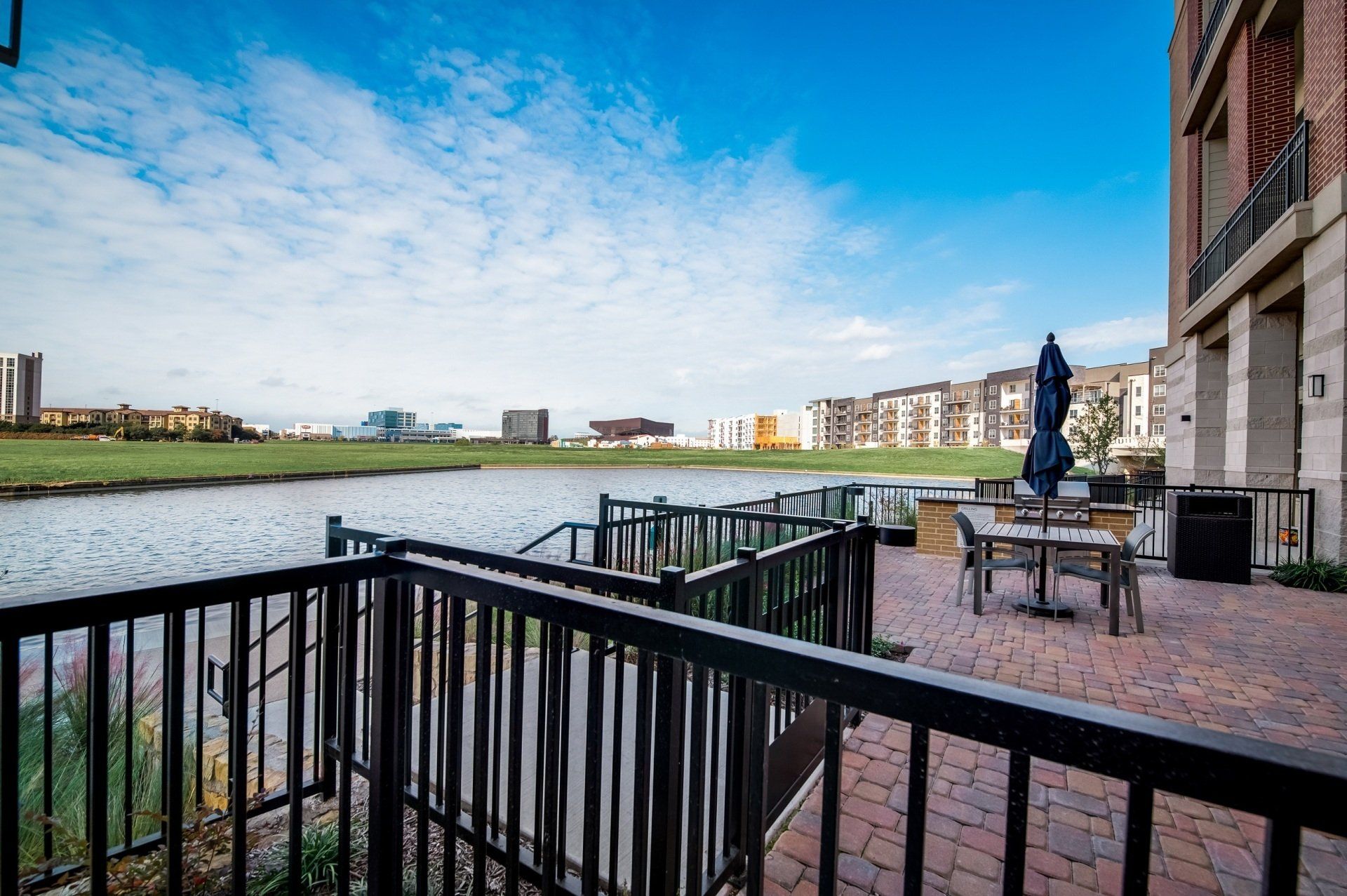
Furnished housing places residents within a neighborhood where they can access grocery stores, restaurants, workplaces, schools, medical facilities, parks, transportation, and other everyday services.
For someone relocating to a new city, living in a practical neighborhood can make the transition easier. Instead of feeling isolated in a hotel environment, residents can experience what everyday life in the community is like.
This is one reason location should be considered alongside the property itself when selecting temporary housing.
Ready When You Arrive
Another advantage of furnished housing is convenience.
Moving into an unfurnished property can require purchasing furniture, kitchen equipment, bedding, appliances, and household necessities before the property is comfortable enough to live in. Furnished housing eliminates much of that preparation.
A professionally furnished home can be move-in ready, allowing residents to arrive with their personal belongings and begin living immediately.
This can be particularly valuable for corporate relocations, temporary work assignments, insurance housing, and families transitioning between homes.
What Property Owners Should Know
For property owners, creating a successful furnished rental involves more than placing furniture inside a property.
The home should be furnished around the needs of its intended residents. Furniture should be comfortable and durable, bedrooms should support quality rest, kitchens should be functional, and the property should be clean, organized, and properly maintained.
Professional staging and furnishing can also help a property make a stronger first impression while ensuring that the space remains practical for extended stays.
Property owners who understand what temporary residents need can position their homes for corporate housing, relocation, insurance housing, and other furnished-rental opportunities.
The Bottom Line
Furnished housing creates a home away from home by combining comfort, functionality, privacy, convenience, and thoughtful design.
For residents, it provides the space and amenities needed to maintain everyday routines while they are away from their permanent home. For property owners, it creates an opportunity to serve people who need more than short-term accommodation.
Whether someone is relocating for work, traveling on a long-term assignment, waiting for a permanent residence, or temporarily displaced because of property damage, a well-prepared furnished home can provide stability during a period of change.
At
Furnished Housing Consultants, the focus is not simply on furnishing a property. It is on creating a
comfortable, functional, and move-in-ready living experience designed around the needs of temporary residents.
FAQ
What does “home away from home” mean in furnished housing?
It means providing a temporary living environment with the comfort, privacy, functionality, and everyday amenities people need to live normally while away from their permanent home.
What is included in furnished housing?
Furnished housing commonly includes essential furniture, bedroom and bathroom necessities, a functional kitchen, living and dining areas, internet access, and other household essentials.
Is furnished housing better than a hotel for an extended stay?
It depends on the resident's needs. Furnished housing can be particularly suitable for extended stays because it typically provides more living space, a kitchen, greater privacy, and a more residential environment.
Who uses furnished housing?
Common residents include corporate travelers, relocating employees, families between homes, traveling professionals, and people temporarily displaced by property damage or renovations.
How can property owners prepare a home for furnished renters?
Owners should focus on comfortable and durable furnishings, functional household amenities, cleanliness, maintenance, practical design, and the specific needs of their target residents.