

When a home becomes unlivable because of fire, water damage, a storm, or another covered loss, one of the first questions displaced homeowners ask is: How long can you stay in temporary housing after an insurance claim?
The answer depends on the individual insurance policy, the circumstances of the claim, the time required to repair or restore the home, and the insurer's determination of what housing expenses are covered.
Temporary housing is intended to provide a safe and functional place to live while a covered property loss is being addressed. However, there is no universal number of days that applies to every insurance claim. The applicable policy and the insurance company ultimately determine whether temporary housing is covered, what expenses are eligible, and how long coverage can continue.
For insurance adjusters and displaced families, understanding the factors that influence the length of a temporary housing stay can make the process easier to manage.
What Is Temporary Housing After an Insurance Claim?
Temporary housing is alternative accommodation provided or reimbursed when an insured home cannot reasonably be occupied because of a covered loss.
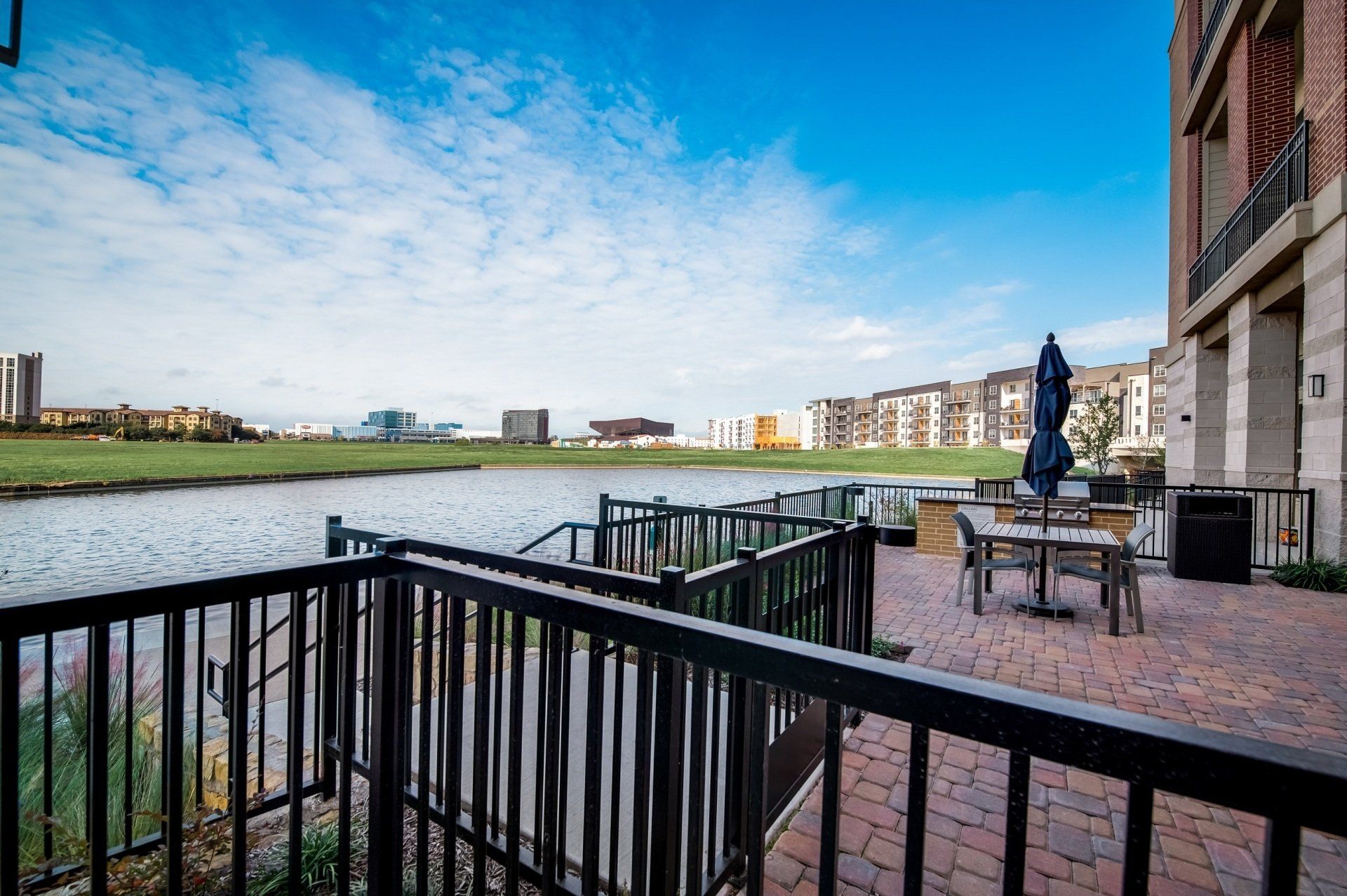
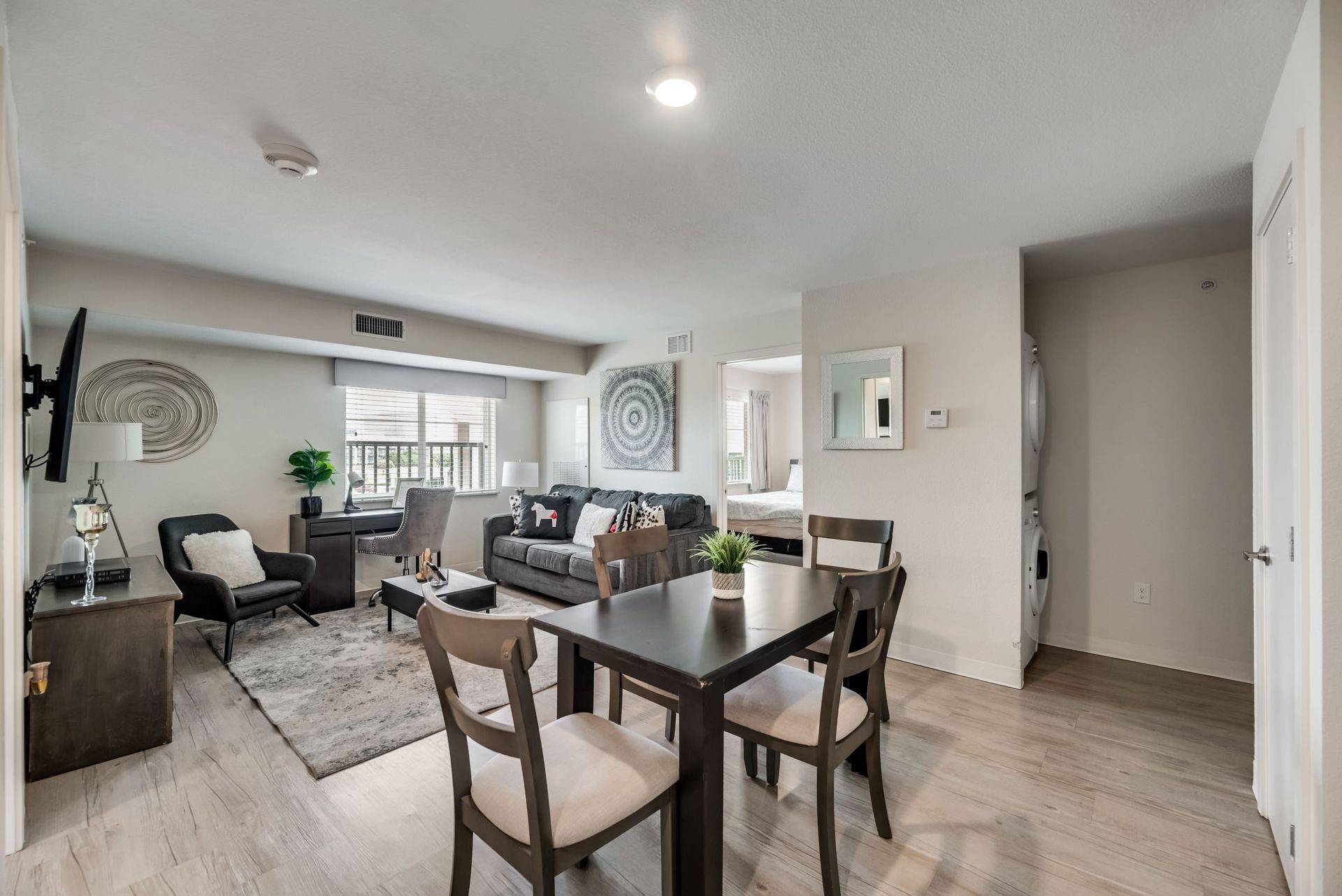
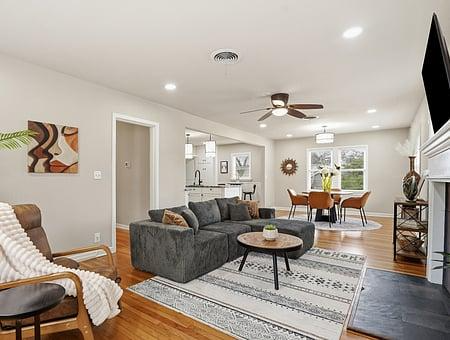
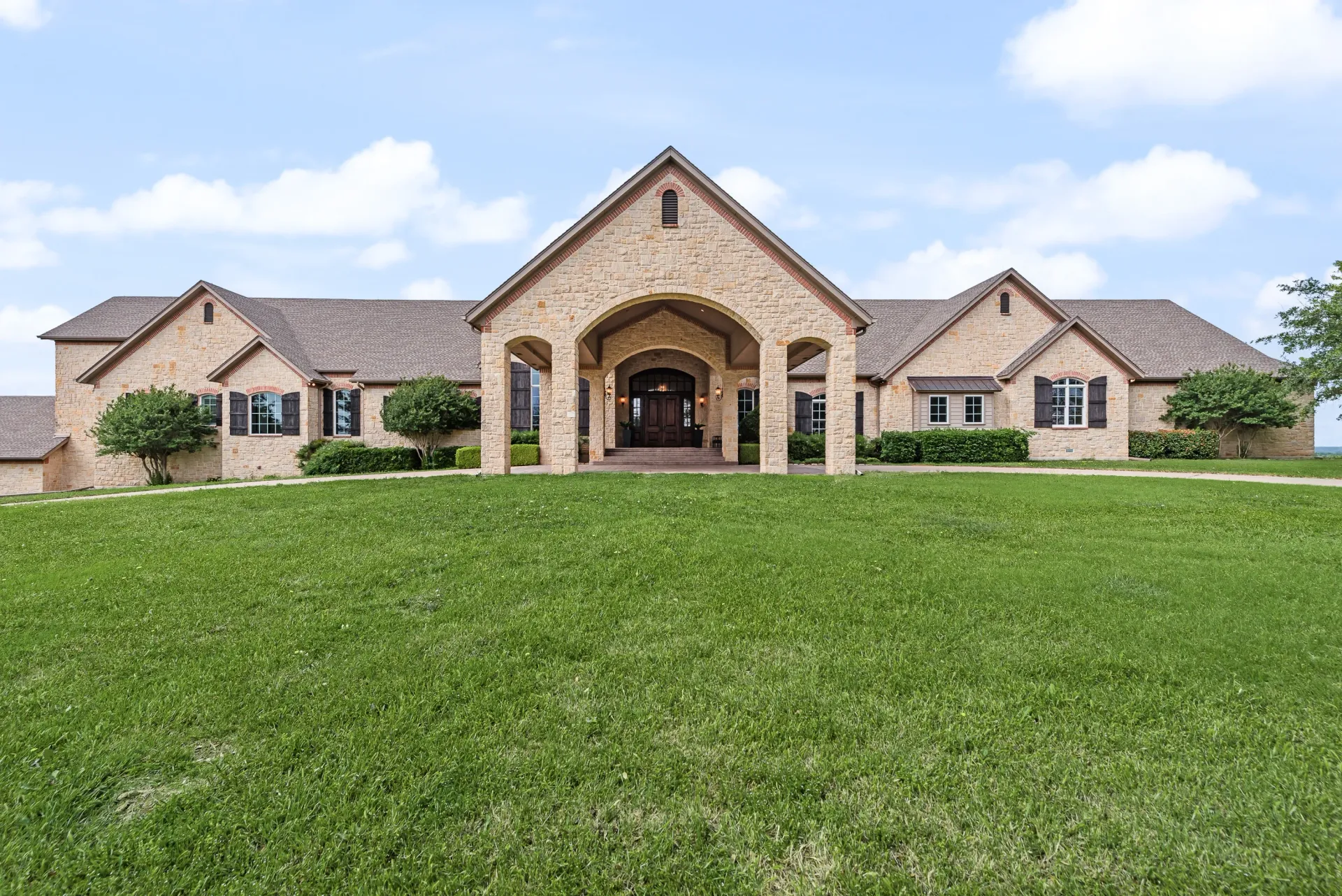
Depending on the policy and circumstances, this may include a furnished apartment, corporate housing, extended-stay accommodation, or another suitable rental property. The goal is to give the policyholder a practical place to live while repairs are underway.
In many property insurance policies, temporary living expenses fall under Additional Living Expense (ALE) coverage. ALE may help cover certain additional costs incurred because the policyholder has been displaced from their home.
However, coverage varies. Some policies may have specific limits, time restrictions, or conditions. Policyholders should review their coverage and contact their insurance carrier before assuming a particular expense or length of stay will be covered.
How Long Can You Stay in Temporary Housing?
No standard insurance-wide limit exists, such as 30, 60, or 90 days.
The length of a temporary housing stay is generally connected to the policy provisions and the circumstances surrounding the loss. If the home remains uninhabitable and the claim continues to qualify for covered additional living expenses, temporary housing may continue subject to the policy's terms, limits, and the insurer's approval.
For example, a relatively straightforward water-damage claim might require several weeks of accommodation. A major fire, extensive storm damage, or significant reconstruction project could require temporary housing for several months.
The important point is that
the expected repair timeline does not automatically guarantee coverage for that entire period. The insurer and applicable policy language control the coverage decision.
1. The Home Repair Timeline
The most obvious factor affecting temporary housing is how long it takes to make the home habitable again.
Repairs can be delayed by many circumstances, including the extent of the damage, inspections, permitting, contractor availability, material shortages, specialized restoration work, and unforeseen damage discovered after construction begins.
For example, a home affected by severe water damage may require water extraction, drying, demolition, mold remediation where appropriate, rebuilding, and final inspections. Each stage can affect when the family can safely return home.
Insurance adjusters often need reliable updates from contractors and restoration professionals to understand whether the projected return date is realistic.
2. The Circumstances of the Insurance Claim
Every claim is different.
A minor covered loss may make only part of a home temporarily unusable, while a major fire or severe storm can make the entire property uninhabitable. The extent and nature of the damage can therefore influence how long alternative accommodation is needed.
The family's circumstances may matter as well. A household with children, pets, accessibility requirements, or specific space needs may require a different temporary housing solution than a single occupant.
The appropriate housing should be
suitable for the household and consistent with what the policy and insurer will approve.
3. Policy Provisions and Coverage Limits
The insurance policy is one of the most important factors in determining how long temporary housing expenses can be covered.
Policies may establish monetary limits, time limitations, deductibles, eligibility requirements, or other conditions for Additional Living Expense coverage. Some policies may also contain specific provisions that affect how expenses are calculated.
This is why policyholders should not rely solely on general information found online. The terms of the individual policy and the insurer's claim determination should be treated as the controlling source for coverage.
When in doubt, the policyholder should ask the insurance carrier or assigned adjuster to explain the applicable ALE provisions, remaining limits, documentation requirements, and anticipated coverage period.
4. Availability of Suitable Temporary Housing
Even when coverage is approved, finding suitable housing can take time.
The available inventory may not match the family's needs, especially after a major regional disaster when many households are displaced simultaneously. Location, number of bedrooms, furnished condition, pet policies, accessibility, school proximity, and other requirements can all affect availability.
This is where specialized furnished housing providers can be valuable. They can help identify move-in-ready accommodations that offer the basic comforts of home rather than forcing a displaced family to remain in a hotel for an extended period.
However, availability of a property does not itself establish insurance coverage. The housing arrangement and associated costs should still be consistent with the insurer's requirements and the policyholder's approved claim.
What Happens If Repairs Take Longer Than Expected?
Repair delays are common in complex property claims. If a family is approaching the expected move-out date from temporary housing but the home is still not habitable, they should communicate with the insurer or adjuster as early as possible.
Providing updated contractor estimates, inspection information, and documentation of the ongoing repairs can help the claim team evaluate the situation.
Families should avoid assuming that temporary housing coverage automatically continues indefinitely.
Coverage should be confirmed with the insurer, particularly when the anticipated repair period changes.
The Bottom Line
So, how long can you stay in temporary housing after an insurance claim?
There is no single answer for every homeowner. The length of a temporary housing stay depends primarily on the insurance policy, the circumstances of the covered loss, the time required to restore the home, applicable coverage limits, and the insurer's determination of eligible expenses.
A family may need temporary housing for a few weeks, several months, or potentially longer in a complex claim. What matters is whether the continued accommodation is covered and approved under the applicable policy.
For displaced families, the best approach is to stay in communication with the insurance carrier, understand the ALE provisions of the policy, keep accurate records of expenses, and work with qualified housing providers when suitable furnished accommodations are needed.
For insurance professionals, having access to reliable temporary housing options can also make the relocation process smoother and help displaced policyholders maintain a sense of stability while their homes are being restored.
Need Temporary Housing for an Insurance Claim?
When a home is damaged and repairs take time, finding a comfortable place to stay shouldn’t add more stress. Nabro Furnished Housing provides move-in-ready furnished housing for insurance clients and displaced families, with practical accommodations designed to feel like home.
Whether you need housing for a few weeks or an extended repair period, we can help identify a suitable furnished home based on the household’s needs and approved housing requirements.
Need temporary housing for your next claim? Contact Nabro Furnished Housing today to find a comfortable, furnished home for your client.